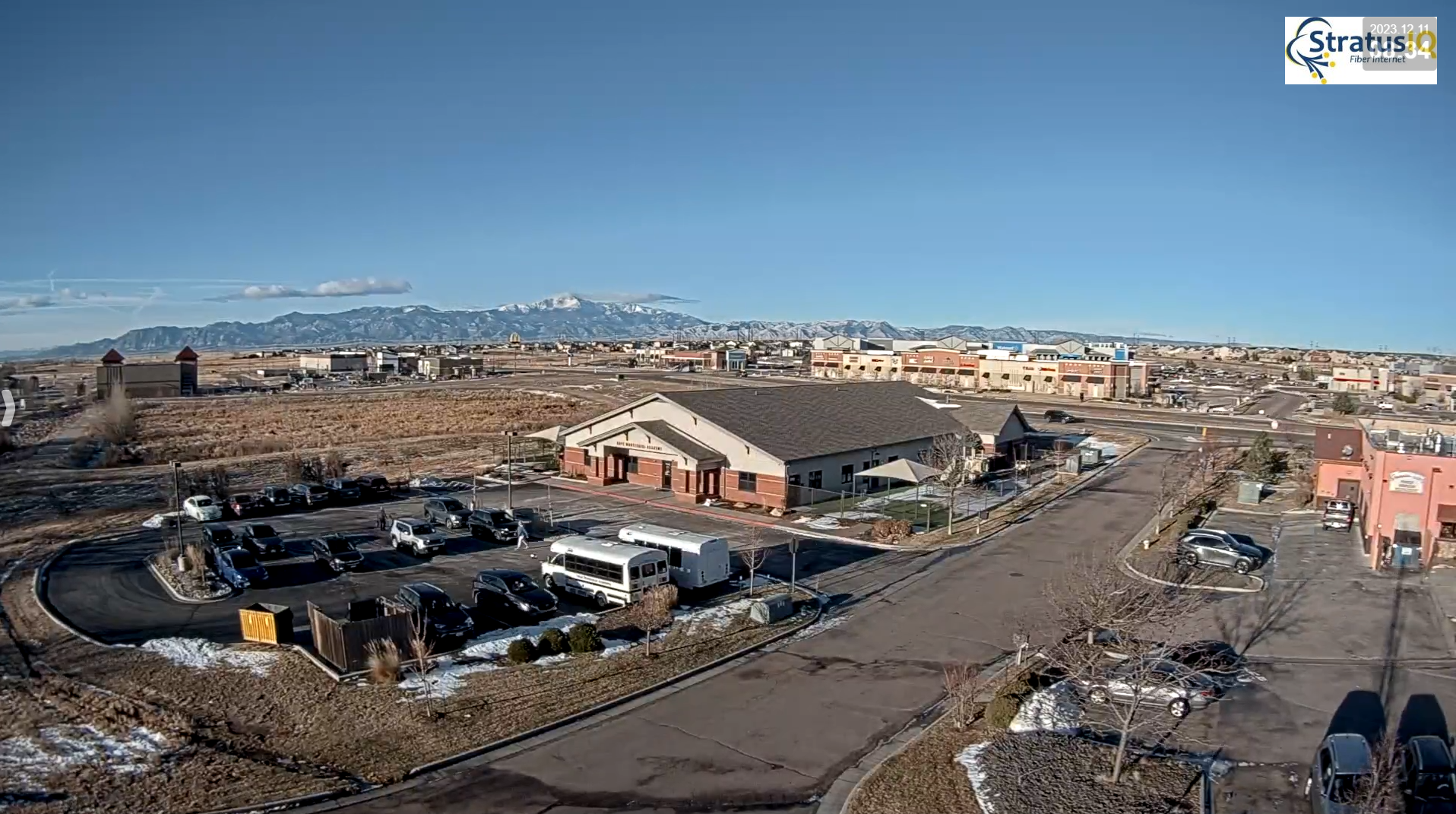
Development is one of those subjects that can divide a community in a New York minute. For some, new businesses, housing and commercial projects represent growth and economic opportunity. For others, development can mean more traffic, noise, lights, dust, drainage problems and the gradual loss of the rural character that attracted them to the area in the first place. Not to mention the availability of water.
A couple of stories in this month’s issue look at El Paso County’s development process and the role of the board of county commissioners.
As Kevin Curry from Friends of Falcon explains in his article on development applications, residents who oppose a project should understand the rules before stepping to the microphone. The commissioners must consider specific approval criteria established in the county’s Land Development Code. Arguments about losing a view or violations of homeowners association rules, for example, generally are not matters the county can consider.
Curry also makes an important point: Residents may have little chance of stopping a development outright, but they can sometimes influence conditions placed on an approval. Concerns about compatibility with neighboring properties, buffers, noise, lighting, dust, traffic and drainage can be more effective when they are tied directly to the county’s approval criteria.
However, Curry is among others who scratch their heads when they believe they’ve made their case and the decision still goes the other way.
A recent example is the proposed Buc-ee’s travel center near Interstate 25 and County Line Road. After a daylong hearing, the commissioners voted 4-1 to approve Buc-ee’s appeal to have the proposed 74,000-square-foot facility with 120 fueling positions treated as an allowed use in the C-1 commercial zoning district. The Gazette reported that more than 160 people spoke or registered to speak, with the overwhelming majority opposing the appeal.
Commission Chair Carrie Geitner said she believed the applicant had met its burden of proof. Commissioner Bill Wysong was the lone dissenting vote, according to The Gazette.
The decision allows the project to proceed through the county’s administrative development review process, with no additional public hearings before the commissioners.
In Terry Stokka’s column, Land & Water, he discusses a recent change for those speaking before the commissioners. Carrie Geitner told residents they had just three minutes to present their issues, but the applicant and commissioners could take all the time they needed. At one recent hearing, public speakers were limited to 90 seconds, while the applicant and commissioners had no time constraints when it was their turn to present.
Residents have a right to understand the rules, make their case and expect their concerns to be considered.
The reality is that El Paso County is growing, and development will continue. The challenge is making sure that growth and the county planners and commissioners follow the rules and respect the people and communities that are already here.
And if residents want their voices to matter, they need to use them — at public hearings, in written comments and, ultimately, at the ballot box.
Perhaps the ballot box is your best bet. Don’t forget to register to vote.
See you in October!
Michelle