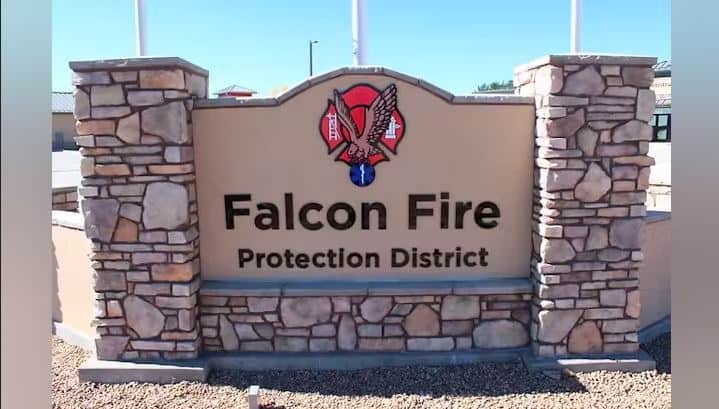
ìWildfires will happen. It is not a matter of ìifî but ìwhen.îîThat statement from the foreword of the Falcon Fire Protection Districtís Community Wildfire Protection Plan, echoed by firefighters for decades, became a harsh reality for El Paso County residents during the summers of 2012 and 2013. In 2015, wildfires burned a record 10,125,149 acres in the U.S., according to National Interagency Fire Center statistics dating back to 1960.If wildfires are inevitable, how do people protect their properties against them?One tool that can help a community assess and manage its wildfire risk is a Community Wildfire Protection Plan. A CWPP supports collaboration between individuals and stakeholder agencies to reduce wildfire risk and improve forest health through a variety of measures. Such measures include reduction of unnatural fuel volumes, restoring forests to healthy conditions, creating defensible space around structures and reducing structural ignitability. CWPPs are planning and guidance documents, not regulatory documents.The FFPD board of directors approved a district CWPP at its regular board meeting on Jan. 20. Keith Worley, a forester and wildfire mitigation specialist hired by the board, developed the CWPP with assistance from FFPD staff; in cooperation with the Colorado State Forest Service.BackgroundFollowing widespread wildfires during the summer of 2002, President George W. Bush proposed an initiative ìto reduce the threat of destructive wildfires while upholding environmental standardsî (georgewbush-whitehouse.archives.gov). The result was the Healthy Forests Restoration Act of 2003. The intent of the HFRA was to expedite processes for reducing hazardous fuels on federal lands, as well as restoring degraded forests, water quality and wildlife habitats.Under the HFRA, communities at risk from wildfire are encouraged to develop CWPPs. According to the FFPD community wildfire plan, such plans must be collaboratively developed; they must identify, prioritize and recommend methods for hazardous fuel reduction; and recommend measures to reduce the ignitability of structures.Benefits of a CWPPThe FFPD community wildfire plan is a valuable reference that provides information, maps and other resources to help homeowners determine their risk from wildfires, based on topography, vegetation and projected rates of fire spread, among other factors. It also contains recommendations for mitigation and the creation of defensible space, which helps homeowners protect structures and improves firefighter safety during a fire.Under the HFRA, communities with CWPPs are given priority for federal funding of hazardous fuels reduction projects. CWPPs can be used in conjunction with Firewise activities (http://firewise.org) and support efforts to achieve Firewise Communities/USA designation. FFPDís Goshawk and Spirit Lakes neighborhoods each developed a CWPP as part of the process to become Firewise communities.Protecting ìhomeowner access to affordable insuranceî is one of the goals listed in the Falcon Fire Protection District CWPP. During a presentation at the November 2015 FFPD board meeting, Worley said insurance companies are increasingly requiring wildfire mitigation for properties located in wildland urban interface areas. Some companies are offering incentives. For example, USAA offers a discount to homeowners in Firewise communities in three states, including Colorado.Individual responsibilityAchieving the goals outlined in a CWPP begins with individual property owners and a willingness to effect these types of changes. ìIt takes a community that is resolved to work together to manage this risk. Responsibility begins with every property owner, supported by community wide mitigation efforts,î Worley wrote in the Falcon CWPP. ìProperty owners who do not mitigate their fuels place their neighborsí lives, homes and forests at risk.îIt appears that many Colorado residents support wildfire mitigation efforts by homeowners. A January 2015 poll commissioned by the Rocky Mountain Insurance Information Association revealed that 96 percent of Coloradans feel it is ìvery importantî or ìpretty importantî for homeowners to undertake fire mitigation efforts (http://rmiia.org/industry/2015_Consumer_Poll_Fire_Mitigation.asp) Fifty-five percent of respondents said insurance companies should not be required to insure properties whose owners refuse to mitigate, while 65 percent said that companies should not be required to renew policies for unmitigated properties.Not just forestsThe FFPD plan covers the entire fire district and includes forested areas, prairie and urbanized areas. Forest covers about a third of the district, but residents living in the prairie grasslands are also at high risk from wildfires. As evidenced by the November 2015 grass fire near Truckton, which burned nearly 150 acres in about two hours, fire can spread quickly in grass, brush and other light fuels, especially during high winds. Keeping grass and weeds mowed short around structures goes a long way toward reducing wildfire risk.Ready to helpThe FFPD Community Wildfire Protection Plan is available at http://falconfire.org, along with other resources to help residents reduce wildfire risk and prepare for emergencies. FFPD also offers free property assessments to its residents. Call 719-495-4050 to schedule an appointment.Follow FFPD on social mediaFacebook: http://facebook.com/pages/FALCON-FIRE-DEPARTMENTTwitter: @FalconFireDept