Terry Stokka has lived in Black Forest for 29 years. He is president of the Friends of Black Forest, chairman of the Black Forest Land Use Committee and chairman of the Black Forest Water & Wells Committee.
Conservation easements – a unique Idea
By Terry Stokka
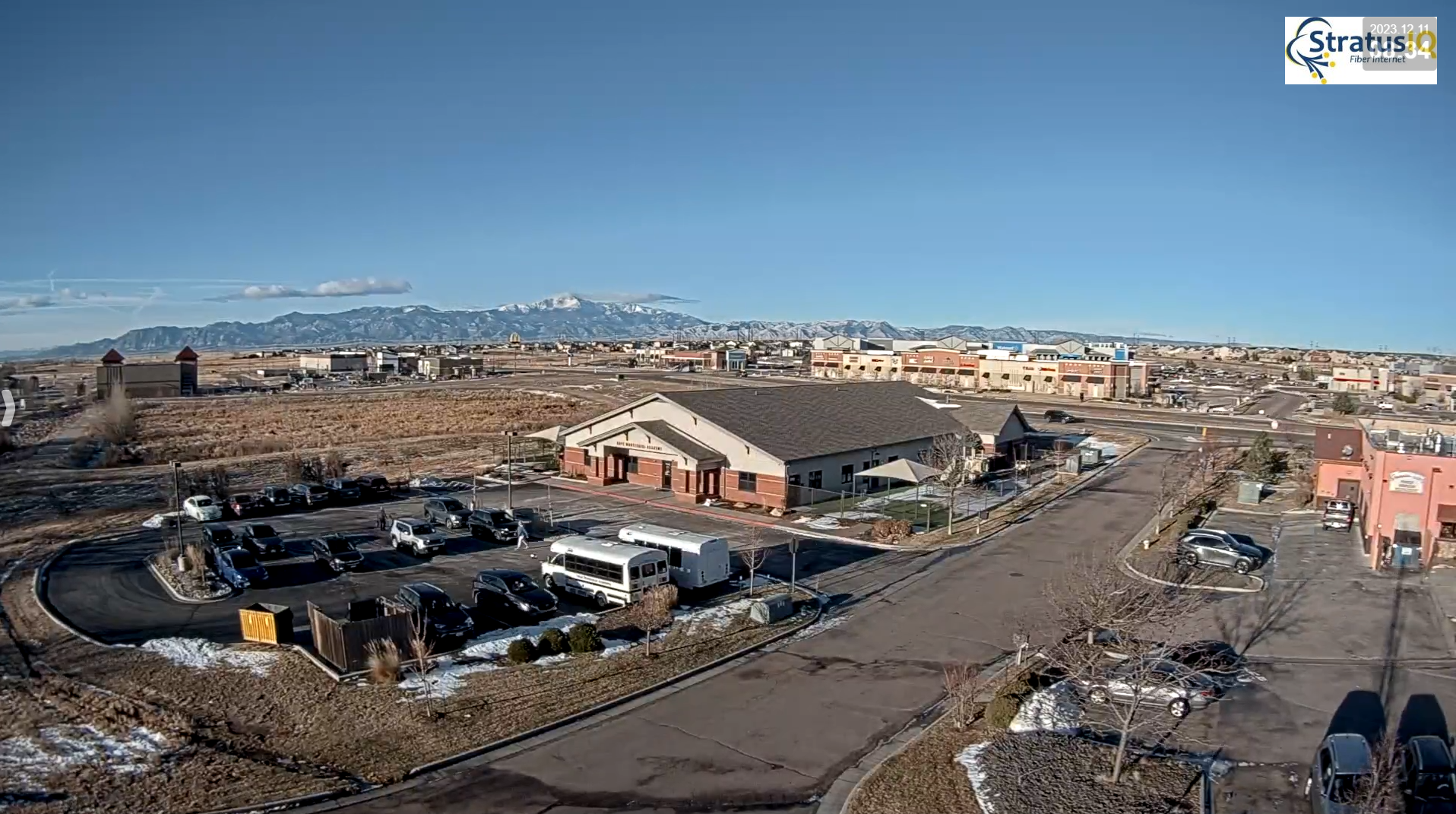
Many of us cringe when a beautiful piece of property covered by trees and grass is turned into an ocean of rooftops. I sometimes lament the development on the land between the city of Colorado Springs and Black Forest that existed as natural grassland when we moved here.
If I am realistic, I realize that progress must happen. After all, someone probably didn’t want my home to be built at one point, either. That vast expanse could have been preserved in its natural state with a conservation easement that would have locked in the land in its natural condition and prevented it from ever being developed.
The process of a conservation easement is ironically governed by the Internal Revenue Service. The process involves taxes, land values and other conditions. To preserve my property as a conservation easement a land trust company such as the Palmer Land Trust or even El Paso County itself has to set up and manage the easement. Besides preserving the land from further development, the easement lowers property taxes for the owner because the land is revalued from potential residential development to vacant grazing land. The easement may have conditions such as allowing additional houses to be built for family members, but other than those conditions, the land is to remain as it is “in perpetuity.”
One of the more visible conservation easements is the Greenland Ranch. Those owners blocked development all the way from the El Paso County line to Castle Rock and left it natural and unchanged. I marvel at the beautiful landscape as I drive to Denver, and am thankful that those owners took the steps to save that land for all time.
There is controversy in conservation easements. Some people say it is not right to lock a piece of property into its natural state. I think most of those people are builders who see every vacant parcel of land as a potential housing development. Those on the side of preserving the land say it is no different to preserve the land than to develop it because if the land becomes homes and businesses, it has effectively been locked into developed land.
Conservation easements can be a problem for growing cities that need space to expand. In Colorado Springs, the only direction to expand is northeast and east. Monument blocks expansion to the north, the mountains form a barrier to the west, and Security-Widefield blocks expansion to the south. That is why the land south of Black Forest and east of the city, known as the Banning-Lewis Ranch, is so valuable. That is where development allows the city to grow. What would the city have done if the 22,000-acre Banning-Lewis Ranch had been placed into a conservation easement? The city would have been squeezed with no place to grow.
Sometimes a land trust company has been known to change a conservation easement in a way that seems to violate the “in perpetuity” clause. In one case, a conservation easement was established to block a potential road from crossing a ranch in Black Forest. As time went on, the owner wanted to develop part of the ranch, so the easement was moved to another part of the property with the justification that the new easement preserved a more natural and beautiful area and was therefore better. The people who purchased homes backing up to the original easement would disagree. They purchased their homes with the assumed guarantee that the land in their backyard would remain perpetually natural and undeveloped.
Back in the days before conservation easements, the area between Black Forest and Chapel Hills comprised the GE Johnson Ranch. It was a vast ranch that is now Briargate, Wolf Ranch, Cordera and Gleneagle. Just think if that huge parcel of land could have been preserved? How different our city would have been.
As I wrap this up, my mind wanders to imagine Black Forest as one huge conservation easement, preserved in its 1850 natural state and forever protected from roads or development — except for one house right in the middle of the forest: mine.