Coben Scott is a history graduate, a history buff, and he has explored and researched much of Falcon and the area’s past. Coben’s column, Yesteryear, features stories about the history of the plains.
The Bennett legacy
By Coben Scott
While most of Falcon’s residents live in the suburbs of Woodmen Hills and Meridian Ranch, the area was once just acres of ranchland owned by one of the most influential modern cowboys, Hugh L. Bennett.
Bennett was the third of seven children born on his family’s ranch outside the small town of Knox City, Texas, in 1905. He and his siblings learned the fundamentals of cowboying on the ranch, including roping, herding and raising livestock. This lifestyle led Bennett to participate in rodeos around town and eventually across the state.
By his 20s, he was a familiar face at cattle shows, and by age 27, he won the world title in steer wrestling. His success garnered attention in the rodeo community, leading to an invitation to join the touring rodeo group known as The Rodeo Train. This cowboy troupe traveled the East Coast, showcasing the skills of westerners to audiences who rarely experienced such action.
From Madison Square Garden to the Boston Garden, their performances resembled Buffalo Bill Cody’s Wild West shows. With Bennett as one of the early stars, the modern touring rodeo began to integrate into popular culture. These shows attracted crowds and purses comparable to those of Joe Louis’ boxing matches or Joe DiMaggio’s home run games. During this time, Bennett also won the world title in steer roping.
While touring, many cowboys expressed dissatisfaction with their pay and the promoter. In an act of protest, they sat out during a show at the Boston Garden, organized by Bennett. The crowd booed the scabs who replaced them, and the venue eventually shut down the show early, instructing the promoter to “get right with the cowboys.” After negotiations, a comfortable payout for the performers was agreed upon, and the tour resumed.
Following this event, Bennett began working with the well-known rodeo group then called the Cowboys Turtle Association, serving as its secretary, treasurer, and an avid advocate for cowboys. The organization eventually evolved into the Rodeo Cowboy Association and later the International Rodeo Association.
With some money in his pocket, Bennett sought to establish his own grand ranch and began looking for suitable land. Eventually, he acquired a few thousand acres just north of Falcon. One of his brothers followed suit, owning over 3,000 acres in Peyton.
Bennett specialized in breeding quarter horses and contributed to the formation of the American Quarter Horse Association and the Rocky Mountain Quarter Horse Association. He became more involved in the local cowboy community, helping to establish the Pikes Peak Cattlemen’s Association. Bennett also played a significant role in founding the Professional Rodeo Hall of Fame, which has been located in Colorado Springs since 1979. By the time of the Hall of Fame’s 50th anniversary in 2029, it will be relocated to Cheyenne, Wyoming.
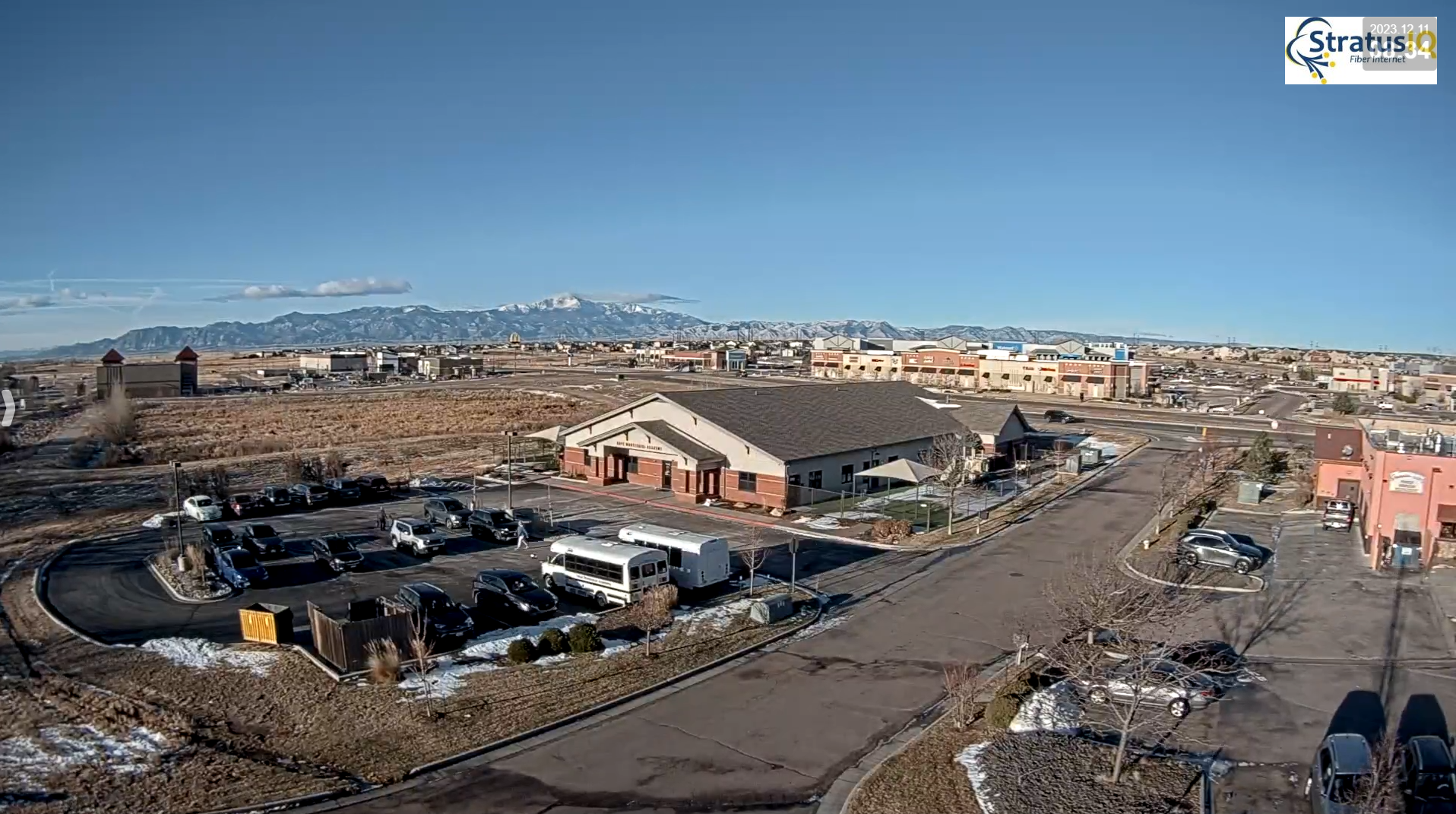
Bennett passed away in 1994. Today, the fields of his ranch have been replaced by buildings; for instance, Woodmen Hills Elementary is situated on the site of Bennett’s former barn.
Bennett’s legacy is irreplaceable. From neighborhoods to schools and signs, his name endures in Falcon. In Peyton, the Bennett family remains present, with the Peyton ranch and quarter horses continuing to thrive under the family name. He is buried in Evergreen Cemetery alongside notable figures like Ruth Banning and Pinky Lewis, and his headstone features a horse above the Bennett name.