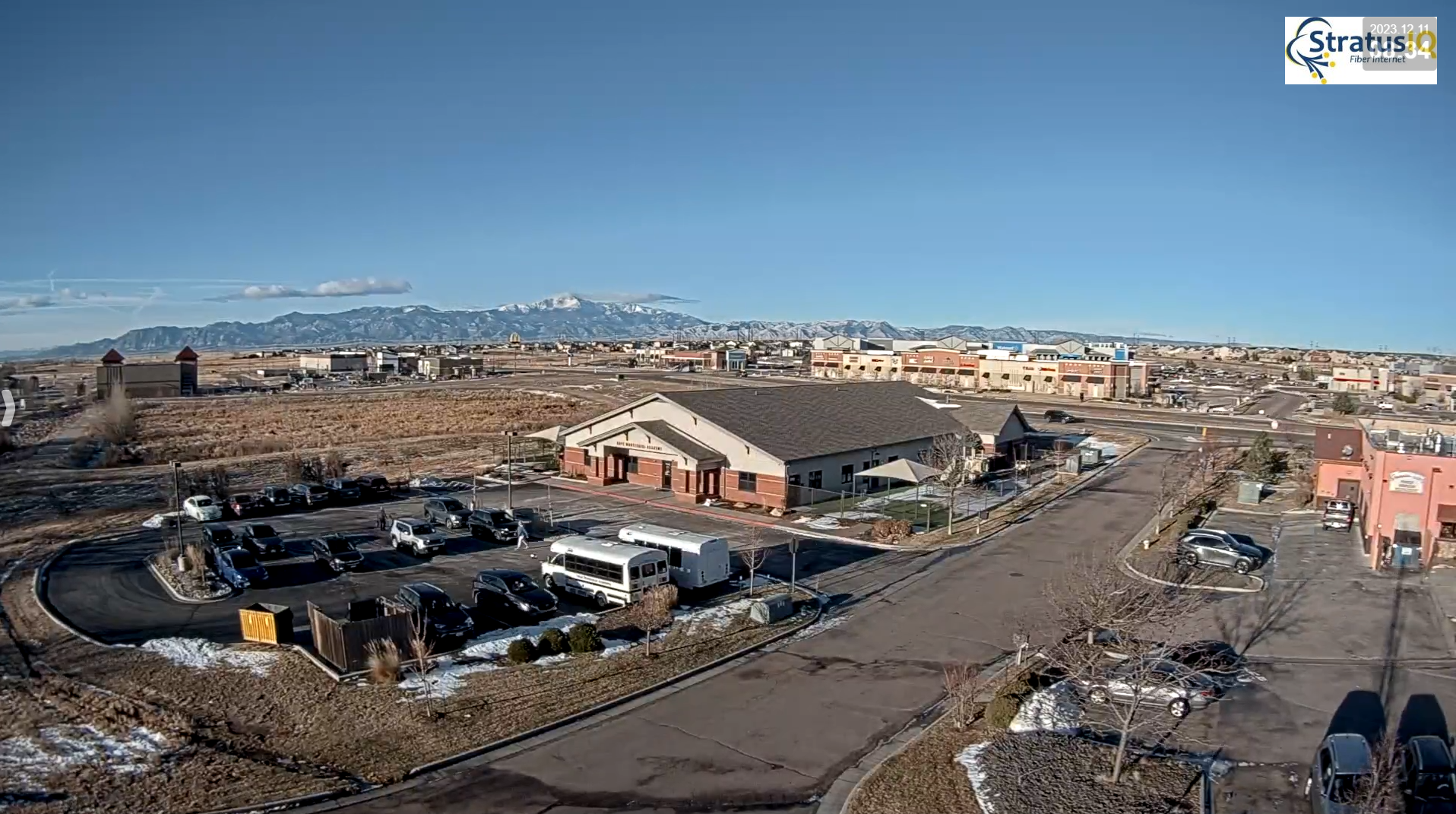
Although firefighting is still a primary reason the Falcon Fire Protection District exists, medical emergencies now comprise the majority of responses. Only about 3 percent of FFPDís responses involve fire.Today, fire departments respond to everything from children locked in vehicles to hazardous materials spills; from traffic accidents to carbon monoxide alarms.FFPD firefighters are reaping the benefits of an improved training program headed by Glenn Levy, division chief of training. The program emphasizes district familiarization and proficiency with all department apparatus, in addition to a wide array of emergency response skills. ìEveryone has to know everything,î Levy said. ìWe have to get it right the first time.îWhat firefighters must knowThe Falcon Fire Protection District covers 117 square miles of diverse topography that ranges from open grasslands to forest. The district contains a mix of residential areas, businesses, recreational space, agricultural operations and even a small airport. U.S. Highway 24 cuts through the heart of Falcon, bringing heavy traffic at rush hour and the occasional truck hauling hazardous cargo. Although the fire district is large and complex, only eight firefighters are on shift every day, augmented by volunteer reservists. ìWhen you only have a few, they better be the best,î said FFPD Fire Chief Trent Harwig. ìOur citizens, the firefighters and their families deserve nothing less from their fire district.îTo ensure firefighters are prepared, FFPD tracks 14 training categories with more than 270 separate topics covering emergency medical response, technical rescue methods, hazardous materials mitigation, leadership and more. The firefighting category alone encompasses 50 subjects.Firefighters must be well-versed in extinguishment methods for fires involving structures, forest, grassland, vehicles, natural gas, propane fires, flammable liquids and hazardous chemicals. They must understand fire behavior and know how to use every piece of equipment carried on each apparatus. Firefighters also spend time studying building construction to better understand what might happen when a particular type of building catches fire. As Levy said, ìThe learning never ends.îFFPDís training programThe FFPD has long relied on its senior firefighters to train new members. However, limited staffing, turnover in the firefighter ranks, district growth and an increase in calls for service taxed the ability of existing members to dedicate adequate time to training new members. The FFPD established the training division to address training needs for all members.Levy leads the training division, and a training lieutenant position is filled by line officers on a rotational basis, which provides the lieutenants an opportunity to help develop and conduct training, while adding to their professional development as officers.ìSo far, the feedback from the crews has been nothing but great,î Harwig said. ìFirefighters now spend four to five hours every day on training.FFPDís training program concentrates on several areas:
- Maintain certifications: Firefighters continually strive to maintain or achieve nationally recognized certifications in compliance with national standards. FFPD applies all skill sets to each unique facet of the fire district, making sure firefighters are trained well above minimum standards.
- Consistency: All personnel, whether full-time, part-time or reserve, receive the same training for consistency purposes. ìWhen someone calls 911, the outcome should be the same regardless of an employeeís status,î Levy said.
- Know the districts: FFPD firefighters need to understand the characteristics of each area within the fire district and the unique challenges each presents. ìWe have six very distinct districts here,î Levy said. ìWe have this urban area with hydrants, and then we have the urban interface to the north, into the forest. We have the plains to the east and south. We have commercial buildings and residential buildings within the urban setting. Those are all different models of firefighting.î The absence of municipal water supply in many parts of the fire district means firefighters must bring their own water, which is carried on fire engines and in water tenders. Neighboring departments also provide water during a large incident, but valuable time is spent staffing the equipment and driving it to a scene. Management of water resources is a crucial skill. ìOur firefighters have got to know the mathematics of how much water weíre using, because we are limited in our capacity for water initially,î Levy said.
- Know the apparatus: FFPD firefighters must know how to operate a variety of fire apparatus. ìWe have small rescues to full-size fire engines and tenders. We have urban interface vehicles, brush trucks ñ a wide range of vehicles,î Levy said. ìThatís whatís very unique about our department versus others. Every one of our firefighters has to be able to operate an engine, a tender, a brush truck and everything in between.î
- The first 15 minutes: Firefighting is more than just lessons learned in the classroom or on the drill field. Emergencies of all types are dynamic situations. ìFrom the time someone calls 911 until the time we get there, things change,î Levy said. Firefighters must develop the ability to predict what might happen next, as well as adapt as an incident progresses. One of Levyís mantras for training is ìëthe first 15 minutes,î meaning that firefighters need to concentrate during that initial period of any emergency. ìAfter 15 minutes, we can get additional resources pretty easily, but for the first 15 minutes, we have to be completely dialed in,î he said.